


In a nutshell
Hybrid Working and sleep appears to be an underexplored area. Yet this flexible approach to working offers a unique opportunity to align our work schedules with natural circadian rhythms, enhancing productivity, creativity, and well-being.
By embracing flexible hours, employees can work during their peak times, reducing burnout and improving mental health. This approach caters to Morning Larks, Night Owls, and intermediates, fostering diverse and efficient teamwork.
Challenges such as collaboration gaps, reduced spontaneity, and risks of overwork require thoughtful solutions like asynchronous communication and outcome-based metrics. But when carefully managed, hybrid working can support global collaboration, sustainability, and alignment with our natural rhythms.
How Hybrid Working aligns with our evolutionary design and sleep rhythms
Among many other benefits, the evolving model of hybrid working, characterised by where, how, and when people work, offers an unprecedented opportunity to align our working lives with our natural circadian rhythms. However, while time flexibility holds incredible promise, it also presents unique challenges that organisations must navigate carefully.
The benefits of working from home are well known. In 2024, the Office for National Statistics found that hybrid workers who saved on average 56 minutes a day when they did not need to commute, invested that time in sleep, exercise or wellbeing activities.
This blog focuses on the business benefits and challenges of providing flexibility around when people work as part of an integrated hybrid working strategy.
Night owls, morning larks, and those in between
A Biological Perspective
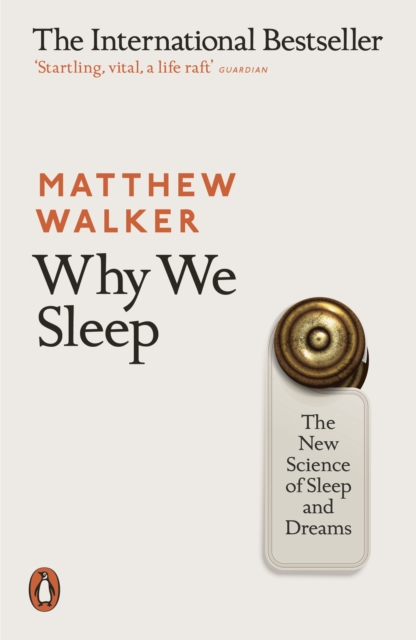
Matthew Walker’s book, Why We Sleep: The New Science of Sleep and Dreams describes the natural variability in human circadian rhythms:
- Morning Larks peak early in the day, excelling at analytical tasks in the morning.
- Night Owls find their creative and cognitive peak in the late evening.
- Intermediates balance traits from both ends of the spectrum.
This variability in chronotype is an evolutionary feature, ensuring that at least some members of ancestral groups remained alert and productive during any given period of the day or night – a clear survival advantage.
Evolutionary advantage meets the modern workplace
Hybrid working, when truly flexible, harnesses these natural rhythms and allows employees to:
- Work when they are most productive, enabling businesses to increase efficiency and output.
- Integrate diverse productivity cycles within teams, optimising collaboration and creativity.
- Personalise schedules to meet the demands of their roles and personal lives.
These approaches reflect the assertions in our Hybrid Working report that this style of work thrives on flexibility, creating environments where employees can choose their peak productivity periods while balancing personal needs.

Practical implications for hybrid working
Enhanced flexibility
- Organisations can adopt outcome-based performance metrics, focusing on results rather than hours logged.
- Employees with caring responsibilities or unique chronotypes benefit from reduced stress and improved engagement.
Global workforce benefits
- A global workforce extends this potential. Night Owls in the UK may collaborate seamlessly with Morning Larks in India or Australia, creating a continuous productivity cycle.
- Time-zone diversity maximises coverage, reduces turnaround times, and enhances innovation.
Increased wellbeing
- Aligning work schedules with natural sleep patterns supports mental and physical health, reduces burnout, and increases overall employee satisfaction.
Stronger collaboration
- Organisations can embrace technologies like asynchronous communication and remote collaboration platforms, allowing team members to contribute effectively regardless of their peak hours.

Potential drawbacks of time flexible hybrid working
While time flexibility offers significant benefits, it also presents unique challenges when employees work at different times:
Collaboration gaps
Misaligned working hours can delay team projects that require real-time interaction. For instance, an employee working late at night may have to wait hours for feedback from colleagues who work earlier in the day.
Asynchronous communication tools can assist, but may lead to misunderstandings or prolonged decision-making if not used effectively.
Reduced spontaneity
When employees work at different times, the informal, ad hoc problem-solving and brainstorming often seen in synchronous environments can be lost.
This lack of real-time interaction may stifle creativity and innovation, which thrive on spontaneous exchanges.
Risk of overwork and burnout
Employees working flexibly might feel pressured to be available outside their preferred hours to accommodate colleagues or managers, creating an “always-on” culture.
Night Owls might work late into the evening but feel compelled to join early morning meetings, leading to compromised sleep and increased stress.
Managerial oversight
Monitoring productivity based on outcomes rather than hours is crucial in a flexible time model, but managers may struggle to balance oversight without micromanaging.
Building trust and ensuring fairness across varied schedules can be challenging, especially when different working hours result in uneven visibility of contributions.
Addressing these challenges through thoughtful scheduling practices, better asynchronous tools, and strong communication protocols can aid organisations in maximising the benefits of time flexibility while minimising its drawbacks.
Global Hybrid Working
A revolutionary opportunity
Through accommodating varied circadian rhythms and geographical locations, organisations can:
- Build truly diverse teams, bringing unique perspectives.
- Tap into a global talent pool, increasing access to highly skilled professionals.
- Accelerate delivery with flexible schedules across time zones or working hours, while reducing burnout through balanced workloads.
- Enable sustainable work practices, reducing the environmental impact of commuting and office space.
Hybrid working is not just about where we work; it’s about how and when we work. Aligning work with the rhythms of human nature offers clear benefits.
By embracing flexibility in working hours, organisations can unlock unparalleled productivity, creativity, and wellbeing. However, implementing hybrid working requires careful planning, fairness, and cultural preservation to address its drawbacks.
Talk to us about your approach to hybrid